Interior Design: 8 Best Minimalism Practices for Modern Homes
Introduction
Table of Contents
Minimalism in Modern Interior Design: The Art of Doing More with Less
Interior Design – In an age of visual clutter and constant stimulation, minimalism has emerged as more than a design trend. It has become a philosophy that prioritizes clarity, purpose, and meaningful living. Modern interior architecture embraces this approach by creating spaces that feel calm, functional, and timeless.
Minimalism is often misunderstood as simply having fewer objects or using a monochromatic palette. In reality, it is about intentional design, where every element serves a purpose and contributes to the overall experience of the space.
What Defines Minimalist Interior Architecture?
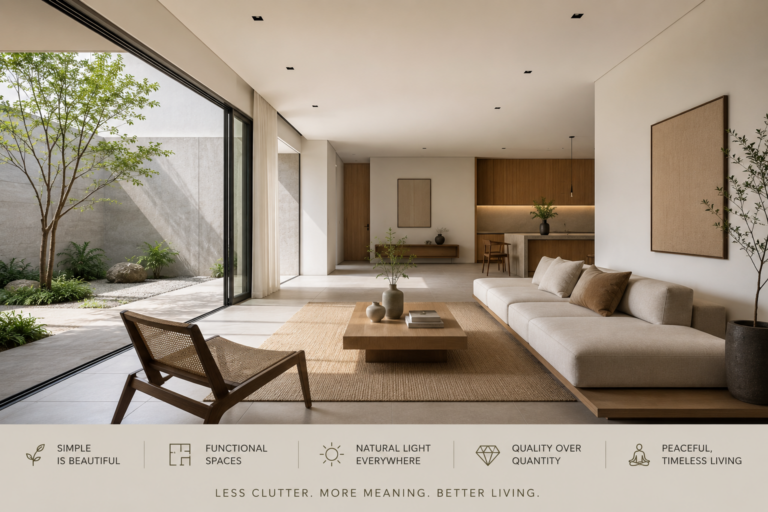
Simplicity, clean lines, and thoughtful organization characterize minimalist interiors. The focus is on creating an environment where space itself becomes a design element.
Key principles include:
- Functional layouts
- Clean geometric forms
- Limited yet refined material palettes
- Natural light as a primary design feature
- Thoughtfully selected furnishings
- Visual harmony and balance
Rather than filling a room with decorative elements, minimalist design allows architecture, materials, and proportions to take center stage.
The Power of Space
One of the defining characteristics of minimalist interiors is the strategic use of space.
In architecture, space is not something left over after design decisions are made. It is an essential component of the design itself. Open layouts, uncluttered surfaces, and carefully planned circulation create interiors that feel larger, brighter, and more inviting.
This sense of openness contributes to both physical comfort and mental well-being.
Natural Light as a Design Material
Minimalist architecture relies heavily on natural light to enhance spatial quality.
Large windows, skylights, glass partitions, and open floor plans allow daylight to penetrate deep into interiors. Throughout the day, changing light conditions add depth, texture, and character to otherwise simple spaces.
Rather than competing with architecture, natural light becomes an integral part of the design experience.
Material Honesty and Timeless Aesthetics
Modern minimalist interior design often celebrates the natural qualities of materials.
Wood, stone, concrete, metal, and glass are used in their authentic form, allowing texture and craftsmanship to speak for themselves. Instead of relying on excessive ornamentation, these materials provide warmth, character, and visual richness.
This approach creates interiors that age gracefully and remain relevant despite changing design trends.
Functionality at the Core
Every design decision in a minimalist interior should support functionality.
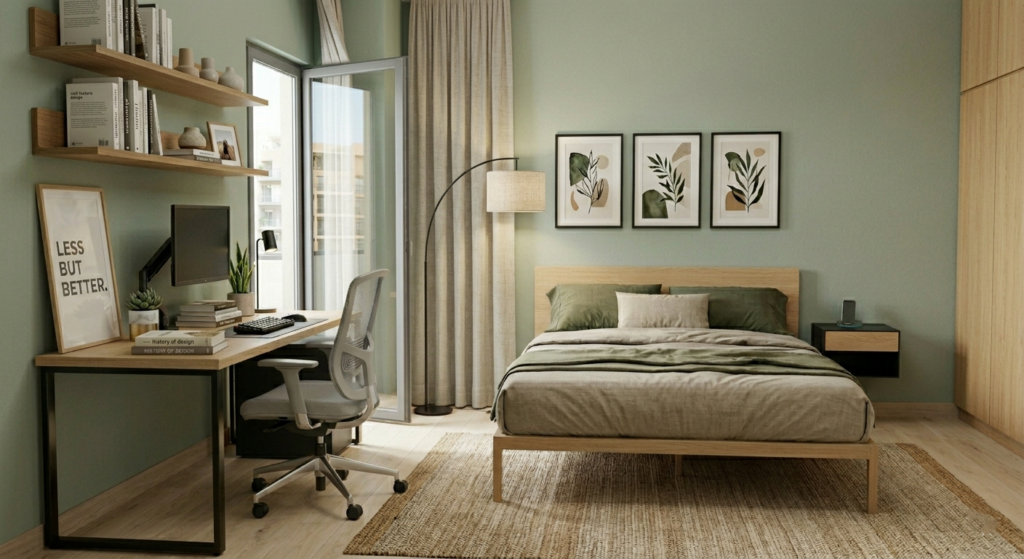
Built-in storage, multifunctional furniture, concealed services, and efficient layouts help eliminate unnecessary visual noise. The result is a space that feels organized and effortless while remaining highly practical for everyday living.
True minimalism is not about sacrifice. It is about removing distractions so that the essential elements can perform better.
Minimalism and Sustainability
Minimalist design naturally aligns with sustainable architecture.
By focusing on quality over quantity, minimalist interiors encourage thoughtful material selection, durable construction, and reduced consumption. Efficient use of space often leads to lower energy requirements and fewer resources throughout a building’s lifecycle.
In many ways, sustainability and minimalism share the same objective: creating more value with fewer resources.
Creating Emotional Balance
The appeal of minimalism extends beyond aesthetics. Research increasingly suggests that uncluttered environments can reduce stress, improve concentration, and support emotional well-being.
A carefully designed minimalist interior design provides a sense of order and tranquility, offering a welcome contrast to the complexity of modern life.
The goal is not to create empty spaces, but spaces that feel intentional, comfortable, and deeply connected to their occupants.
The Future of Minimalist Interiors
As lifestyles continue to evolve, minimalist interior design is becoming increasingly relevant. Urban homes are becoming more compact, sustainability is gaining importance, and people are seeking environments that promote focus and well-being.
Future minimalist interiors will integrate smart technologies, sustainable materials, flexible layouts, and biophilic elements while maintaining the simplicity and elegance that define the philosophy.
Conclusion
Minimalism in modern interior design is not about having less for the sake of less. It is about creating spaces where every element has meaning, and every design decision contributes to a better living experience.
By embracing simplicity, functionality, and timeless design principles, minimalist interiors offer a powerful reminder that great architecture is not measured by how much is added, but by how thoughtfully it is designed.
At ArchB Studio, we believe that simplicity is one of the most sophisticated forms of design. Through thoughtful planning, natural materials, and human-centered spaces, we create interiors that are elegant, functional, and enduring.