Interior Lighting: 8 Smart Ideas to Elevate Your Interior Decor
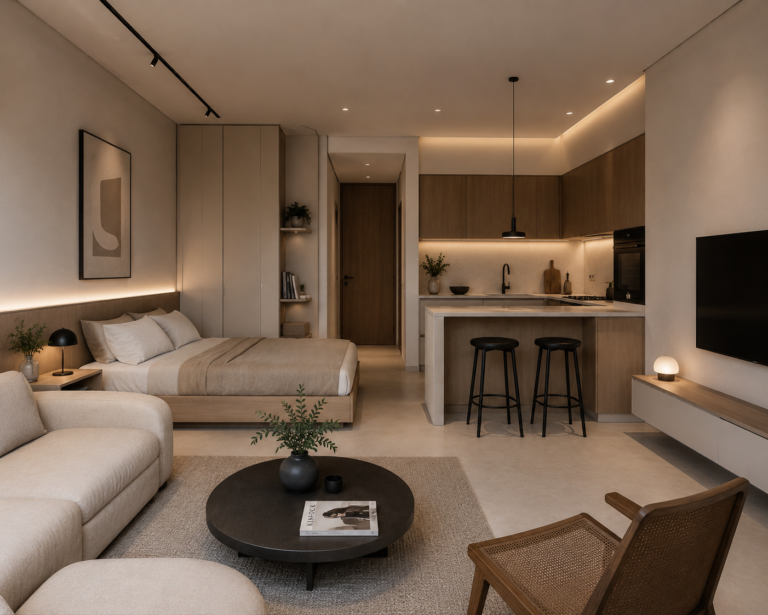
Lighting is a key element in interior design. It can change the mood of a room and highlight architectural features. Discover how we use light to create atmosphere and depth in our projects.
Introduction
Table of Contents
When people think about interior design, they often focus on furniture, colors, materials, and decorative elements. Yet one of the most powerful factors influencing how a space looks and feels is often overlooked: lighting.
Lighting is more than a functional necessity. It shapes mood, enhances architecture, highlights textures, and transforms the overall experience of a space. In modern interior design, lighting is considered an essential design element that works alongside architecture and decoration to create comfortable, beautiful, and purposeful environments.
Lighting Shapes Perception
The way a room is illuminated dramatically affects how we perceive its size, color, texture, and atmosphere.
A well-lit interior can:
- Make spaces feel larger and more open
- Highlight architectural details
- Enhance colors and materials
- Create visual depth and dimension
- Improve overall comfort
Conversely, poor lighting can make even the most beautifully designed space feel dull, cramped, or uninviting.
Creating Mood and Atmosphere
Lighting has a direct impact on the emotional character of a room. Different lighting strategies can completely transform the same space.
For example:
- Warm lighting creates a cozy and welcoming environment.
- Soft indirect lighting promotes relaxation.
- Bright task lighting improves focus and productivity.
- Accent lighting adds drama and sophistication.
Whether designing a luxury residence, a restaurant, or an office, lighting helps establish the intended mood and user experience.
Enhancing Architectural Features
Great lighting draws attention to the most important elements within a space. It can emphasize textures, materials, forms, and focal points that might otherwise go unnoticed.
Designers frequently use lighting to highlight:
- Feature walls
- Artworks and sculptures
- Natural stone finishes
- Wooden textures
- Double-height spaces
- Staircases and corridors
Through careful placement, lighting becomes an architectural tool rather than merely an accessory.
The Three Layers of Interior Lighting
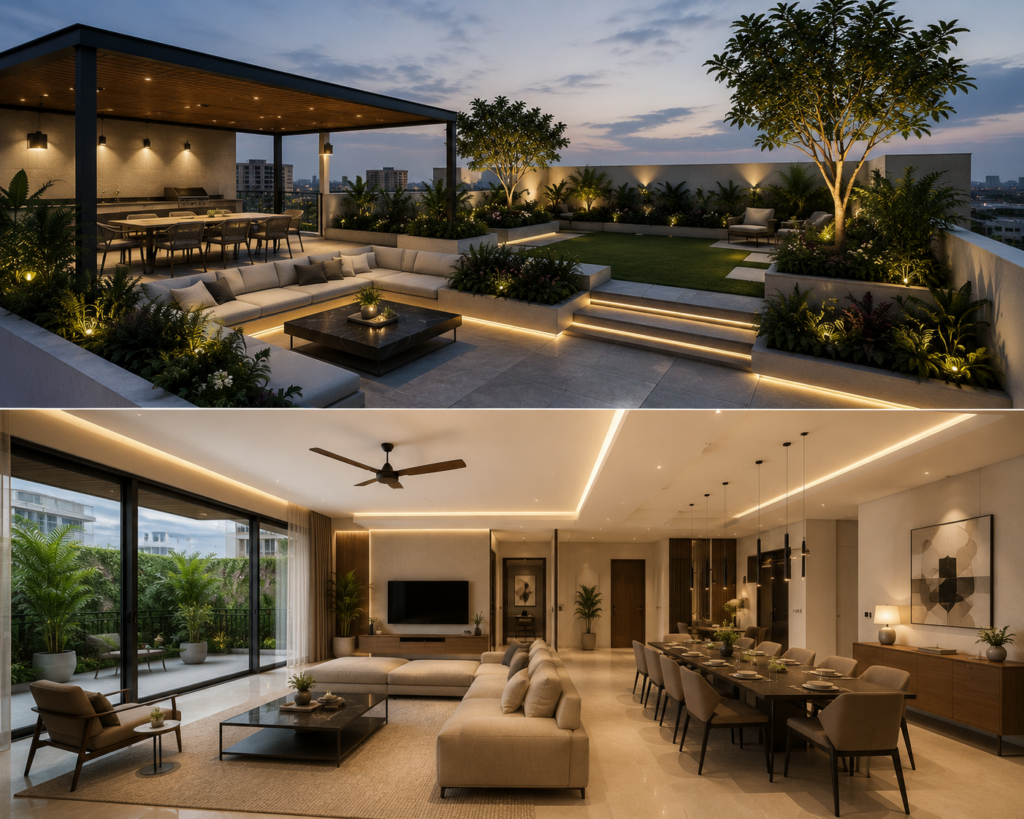
Successful lighting design typically combines three distinct layers.
1. Ambient Lighting
Ambient lighting provides overall illumination and forms the foundation of a lighting scheme.
Examples include:
- Recessed ceiling lights
- Cove lighting
- Pendant fixtures
- Chandeliers
This layer ensures a comfortable base level of brightness throughout the space.
2. Task Lighting
Task lighting is designed for activities that require focused illumination.
Examples include:
- Reading lamps
- Kitchen counter lights
- Desk lighting
- Vanity mirrors
Proper task lighting improves functionality while reducing eye strain.
3. Accent Lighting
Accent lighting adds depth, drama, and visual interest.
Common applications include:
- Wall washers
- Spotlights
- Display shelves
- Artwork illumination
- Landscape lighting
Accent lighting creates focal points and enhances the overall aesthetic appeal of an interior.
Natural Light: The Most Valuable Design Element
Natural daylight remains one of the most important aspects of interior design. It improves well-being, reduces energy consumption, and creates a stronger connection to the outdoors.
Architects often maximize daylight through:
- Large windows
- Skylights
- Courtyards
- Glass partitions
- Open floor plans
A well-designed home should work with natural light throughout the day, allowing interiors to evolve beautifully from morning to evening.
Lighting and Material Selection
Different materials respond differently to light. A polished marble surface, textured stone wall, timber finish, or matte paint can appear entirely different depending on how it is illuminated.
Thoughtful lighting enhances:
- Material richness
- Surface textures
- Color accuracy
- Visual warmth
The interaction between light and materials often determines the overall character of an interior.
Smart Lighting for Modern Living
Technology is transforming how we experience lighting. Smart systems allow homeowners to customize brightness, color temperature, and lighting scenes based on different activities and moods.
Benefits include:
- Energy efficiency
- Automated controls
- Personalized lighting environments
- Enhanced convenience
- Integration with smart home systems
Modern lighting design increasingly combines aesthetics with intelligent functionality.
Energy Efficiency and Sustainability
Sustainable lighting solutions are becoming essential in contemporary design. LED technology, daylight-responsive systems, and occupancy sensors significantly reduce energy consumption while maintaining high-quality illumination.
Sustainable lighting design contributes to:
- Lower operating costs
- Reduced environmental impact
- Improved building performance
- Greater long-term efficiency
Good lighting design benefits both occupants and the environment.
Lighting as a Decorative Element
Beyond functionality, lighting fixtures themselves can become statement pieces within an interior.
Feature lighting may include:
- Sculptural chandeliers
- Designer pendant lights
- Minimalist wall sconces
- Architectural cove lighting
- Decorative floor lamps
These elements contribute personality and elegance while reinforcing the overall design concept.
Conclusion
Lighting is one of the most influential yet underestimated aspects of interior design. It shapes how spaces are perceived, enhances architectural features, improves functionality, and creates emotional connections between people and their environments.
At ArchB Studio, we believe lighting should be considered from the earliest stages of design. When architecture, interiors, and lighting work together seamlessly, the result is a space that is not only beautiful but truly unforgettable.
Because great design is not just about what you see. It is also about how light allows you to experience it.