Minimalist Residential Design: 8 Smart Ideas for Beautiful Homes
Introduction
Table of Contents
Minimalism is more than just a design style; it’s a lifestyle. We focus on clean lines and open spaces to create homes that are peaceful and clutter-free.
In a world filled with constant distractions, clutter, and excess, minimalism has emerged as more than just a design trend. It has become a lifestyle philosophy that emphasizes simplicity, functionality, and intentional living. In residential architecture and interior design, minimalism creates spaces that feel calm, timeless, and deeply connected to the people who inhabit them.
Minimalist homes are not about having less for the sake of less. They are about creating environments where every element serves a purpose, every space feels meaningful, and beauty emerges through clarity rather than excess.
Understanding Minimalist Design
At its core, minimalism focuses on simplicity, clean lines, and thoughtful use of space. Instead of overwhelming interiors with decorative elements, minimalist design prioritizes openness, natural light, and carefully curated materials.
Key principles include:
- Functional layouts
- Clean architectural forms
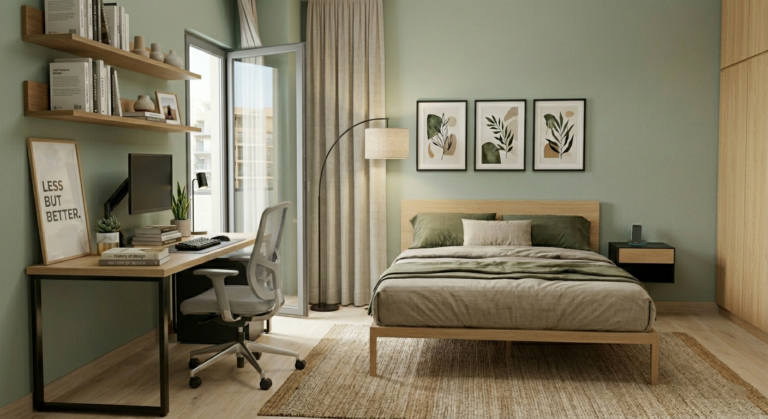
- Neutral color palettes
- Natural materials
- Thoughtful storage solutions
- Uncluttered visual environments
The result is a home that feels elegant, comfortable, and effortlessly sophisticated.
The Power of Simplicity
One of the greatest strengths of minimalist design is its ability to highlight what truly matters. By removing unnecessary visual noise, architectural features, textures, and natural light become the focal points of a space.
A well-designed minimalist home allows residents to experience:
- Greater visual harmony
- Reduced stress and distraction
- Improved spatial perception
- Enhanced comfort and wellbeing
Often, the most memorable spaces are not the most elaborate, but the most thoughtfully designed.
Natural Light as a Design Element
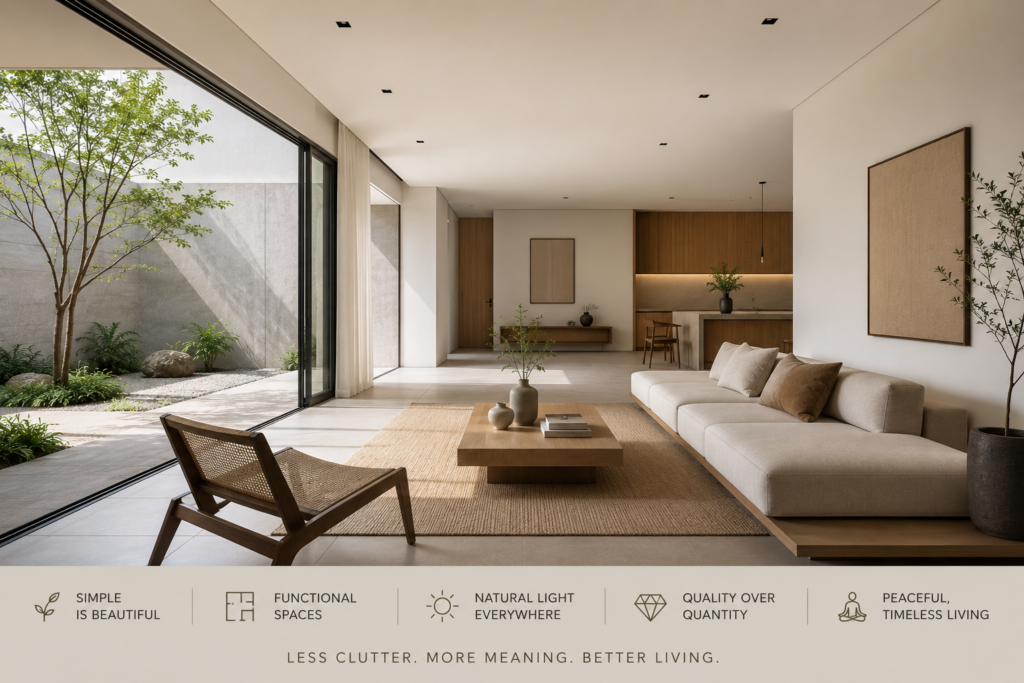
Minimalist architecture relies heavily on natural light. Large openings, expansive glazing, courtyards, and carefully positioned windows help create bright, inviting interiors throughout the day.
Natural light not only enhances the visual quality of a space but also contributes to energy efficiency and occupant wellbeing.
Modern minimalist homes frequently incorporate:
- Floor-to-ceiling windows
- Skylights
- Internal courtyards
- Open-plan layouts
- Seamless indoor-outdoor connections
These elements help blur the boundaries between architecture and nature.
Quality Over Quantity
Minimalism encourages investing in fewer but better materials, finishes, and furnishings. Rather than filling a home with decorative objects, emphasis is placed on craftsmanship, durability, and timeless design.
Popular materials include:
- Natural stone
- Timber
- Concrete
- Glass
- Metal accents
- Textured plaster finishes
These materials age gracefully and provide visual richness without overwhelming the space.
Open and Functional Living Spaces
Modern lifestyles increasingly demand flexibility. Minimalist residential design supports this by creating adaptable spaces that can evolve with changing needs.
Open-plan living areas encourage interaction while maintaining a sense of spaciousness. Thoughtfully integrated storage ensures that daily life remains organized without compromising aesthetics.
Functionality becomes an integral part of the design rather than an afterthought.
Sustainability Through Minimalism
Minimalism naturally aligns with sustainable design principles. By focusing on efficiency, durability, and purposeful material selection, minimalist homes often consume fewer resources throughout their lifecycle.
Sustainable benefits include:
- Reduced material consumption
- Improved energy efficiency
- Long-lasting design solutions
- Lower maintenance requirements
- Better use of natural light and ventilation
In many ways, minimalism represents a more conscious approach to architecture and living.
Creating Emotional Comfort
Contrary to common misconceptions, minimalist homes do not feel cold or sterile. When designed thoughtfully, they create environments that are warm, welcoming, and deeply personal.
Comfort is achieved through:
- Natural textures
- Balanced proportions
- Warm lighting
- Carefully selected furnishings
- Strong connections to nature
The goal is not emptiness, but clarity.
Minimalism in Contemporary Residential Architecture
Today’s minimalist homes combine clean architectural forms with modern technology, sustainability, and lifestyle-driven design. They embrace simplicity while accommodating the practical needs of contemporary living.
Whether designing a compact urban residence, a luxury villa, or a modern farmhouse, minimalist principles help create spaces that remain relevant and beautiful for years to come.
Looking Beyond Trends
Unlike many design movements that come and go, minimalism endures because it is rooted in timeless principles. Simplicity, functionality, and thoughtful design never go out of style.
A minimalist home is not defined by what is removed, but by what is intentionally retained.
Conclusion
Minimalism in residential design is about creating spaces that support better living. Through simplicity, functionality, and careful attention to detail, minimalist architecture offers an opportunity to focus on what truly matters while enhancing comfort, beauty, and wellbeing.
At ArchB Studio, we believe great design is not about adding more. It is about designing with purpose, creating homes that feel timeless, meaningful, and perfectly suited to modern lifestyles.