Introduction
Table of Contents
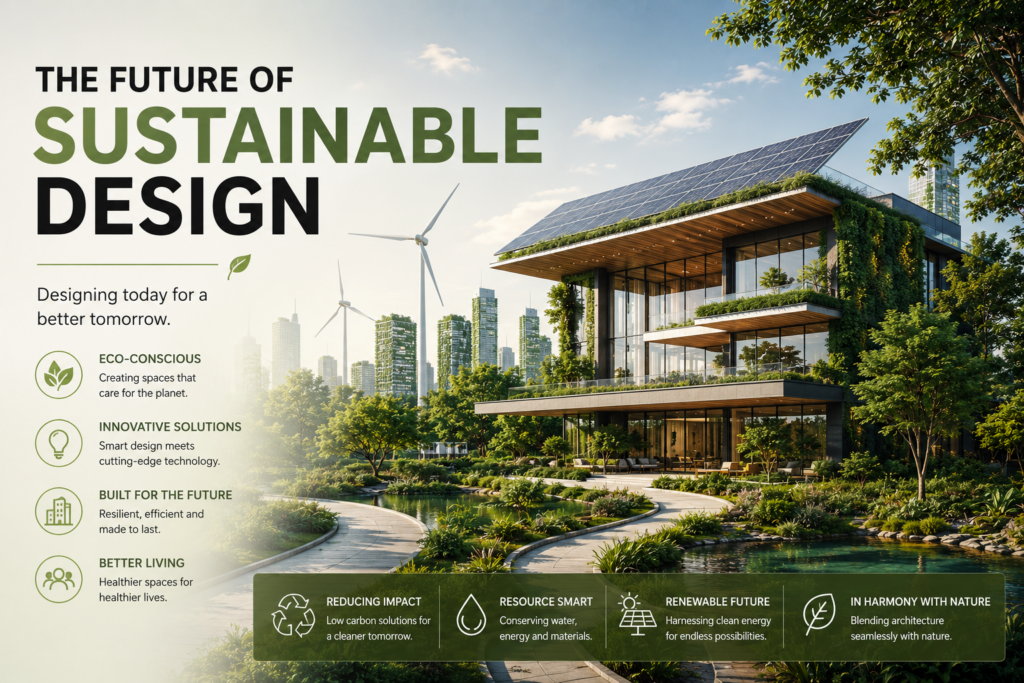
Sustainable architecture providing solutions as cities grow and environmental challenges become more pressing, the role of architecture is evolving beyond aesthetics and functionality. Sustainable design is no longer a niche consideration or an optional feature. It is becoming the foundation of how we envision, design, and build the spaces of the future.
The next generation of architecture will not simply focus on reducing environmental impact. It will create buildings that actively contribute to healthier communities, improved well-being, and a more resilient planet.
From Energy Efficiency to Energy Generation
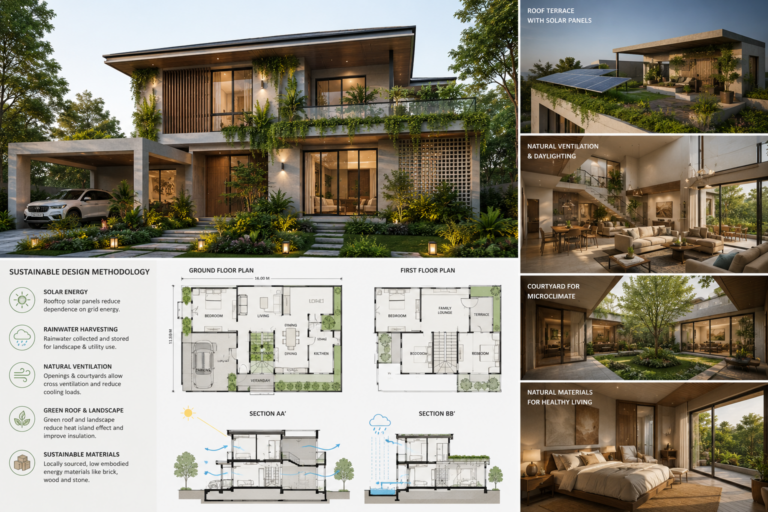
Traditionally, sustainable buildings aimed to consume less energy through better insulation, efficient lighting, and optimized building systems. While these strategies remain important, the future lies in structures that generate as much energy as they consume.
Advancements in solar technology, integrated photovoltaics, smart energy management systems, and battery storage are enabling buildings to become self-sufficient. Homes and commercial spaces are increasingly capable of producing renewable energy while maintaining modern comfort and performance.
Climate-Responsive Architecture
One of the most effective sustainable strategies has existed for centuries: designing in harmony with local climate conditions.
Future architecture will place greater emphasis on passive design principles, including:
- Natural ventilation
- Daylight optimization
- Thermal mass utilization
- Shading systems
- Courtyard planning
- Climate-responsive building orientation
These approaches reduce dependency on mechanical systems while enhancing occupant comfort throughout the year.
Smart Buildings and Artificial Intelligence
Technology is transforming the way buildings operate. Artificial intelligence and smart sensors are making it possible for buildings to adapt in real time to user behavior and environmental conditions.
Smart systems can:
- Monitor energy consumption
- Optimize lighting and temperature
- Manage water usage
- Improve indoor air quality
- Predict maintenance requirements
The integration of AI into architecture allows spaces to become more efficient, responsive, and sustainable throughout their lifecycle.
Sustainable Architecture Materials and Circular Construction
The future of construction extends beyond operational efficiency. It also considers the environmental impact of materials used during the building process.
Architects and builders are increasingly exploring:
- Recycled construction materials
- Low-carbon concrete
- Engineered timber
- Locally sourced materials
- Modular construction systems
The concept of a circular economy is gaining momentum, where building components can be reused, repurposed, or recycled at the end of their lifespan rather than becoming waste.
Water-Conscious Design – Sustainable Architecture
Water scarcity is emerging as one of the most critical challenges of the 21st century. Sustainable architecture must address this issue through intelligent water management strategies.
Future-ready projects are incorporating:
- Rainwater harvesting systems
- Greywater recycling
- Permeable landscapes
- Water-efficient fixtures
- Native and drought-resistant planting
These measures reduce dependency on municipal water supplies while promoting responsible resource use.
Biophilic Design and Human Well-Being
Sustainability is not only about protecting the environment. It is also about improving the quality of life for people.
Biophilic design integrates natural elements into the built environment through vegetation, natural light, water features, and visual connections to nature. Research consistently demonstrates that these elements improve mental health, productivity, and overall well-being.
As urban populations continue to grow, creating meaningful connections between people and nature will become increasingly important.
The Rise of Net-Zero Communities
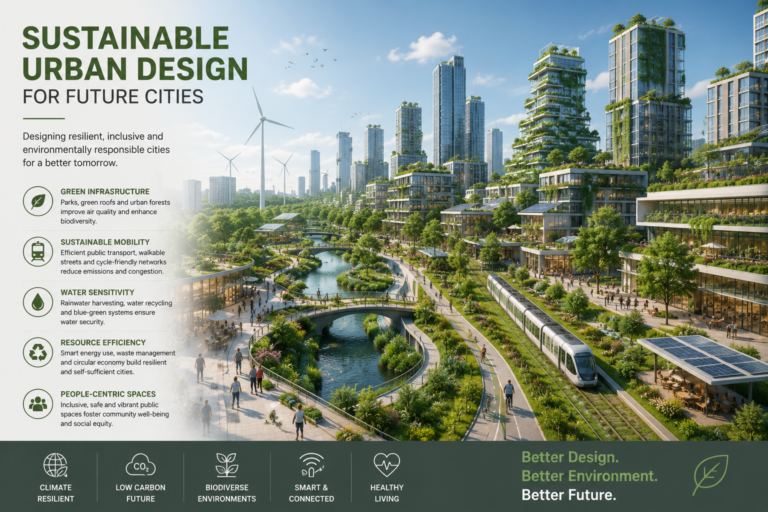
The future of sustainable design extends beyond individual buildings. Entire neighborhoods and developments are being planned around net-zero principles.
These communities prioritize:
- Walkability
- Renewable energy
- Green infrastructure
- Mixed-use development
- Public transportation
- Shared community resources
The focus is shifting from isolated sustainable buildings to integrated ecosystems that support both environmental and social sustainability.
Looking Ahead
Sustainable architecture is no longer about making buildings “less harmful.” It is about creating spaces that actively contribute to a healthier, more resilient future.
The architects of tomorrow will combine innovation, technology, environmental responsibility, and human-centered design to shape buildings that perform better, consume fewer resources, and enrich everyday life.
At ArchB Studio, we believe that thoughtful architecture should not only meet today’s needs but also anticipate the challenges and opportunities of tomorrow. Sustainable design is not a trend. It is the future of architecture, and that future is already taking shape.