Sustainable Urban Design: 8 Smart Solutions for Future Cities
Introduction
Table of Contents
As urban populations continue to grow, cities face increasing challenges related to resource consumption, environmental degradation, traffic congestion, and climate change. Traditional urban development models often struggle to balance economic growth with environmental responsibility and social well-being. Sustainable urban design offers a forward-thinking approach that addresses these challenges by creating cities that are environmentally resilient, economically viable, and socially inclusive.
By integrating sustainability into every aspect of urban planning and development, future cities can provide a higher quality of life while minimizing their ecological footprint.
Understanding Sustainable Urban Design
Sustainable urban design focuses on creating urban environments that efficiently utilize resources, reduce environmental impact, and promote healthy communities. It considers the relationship between buildings, infrastructure, public spaces, transportation systems, and natural ecosystems to ensure long-term sustainability.
The goal is to develop cities that can meet the needs of present generations without compromising the ability of future generations to thrive.
Prioritizing Walkability and Mixed-Use Development
One of the fundamental principles of sustainable urban design is reducing dependence on private vehicles. Walkable neighborhoods encourage residents to access workplaces, schools, healthcare facilities, retail spaces, and recreational areas within short distances.
Mixed-use developments combine residential, commercial, and recreational functions within a single area, reducing travel requirements and fostering vibrant community interactions. These developments not only lower transportation-related emissions but also enhance urban livability.
Green Infrastructure and Urban Ecosystems
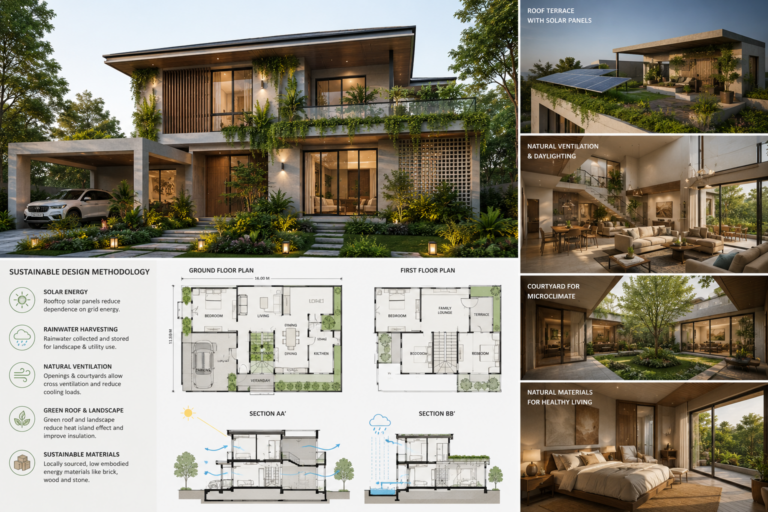
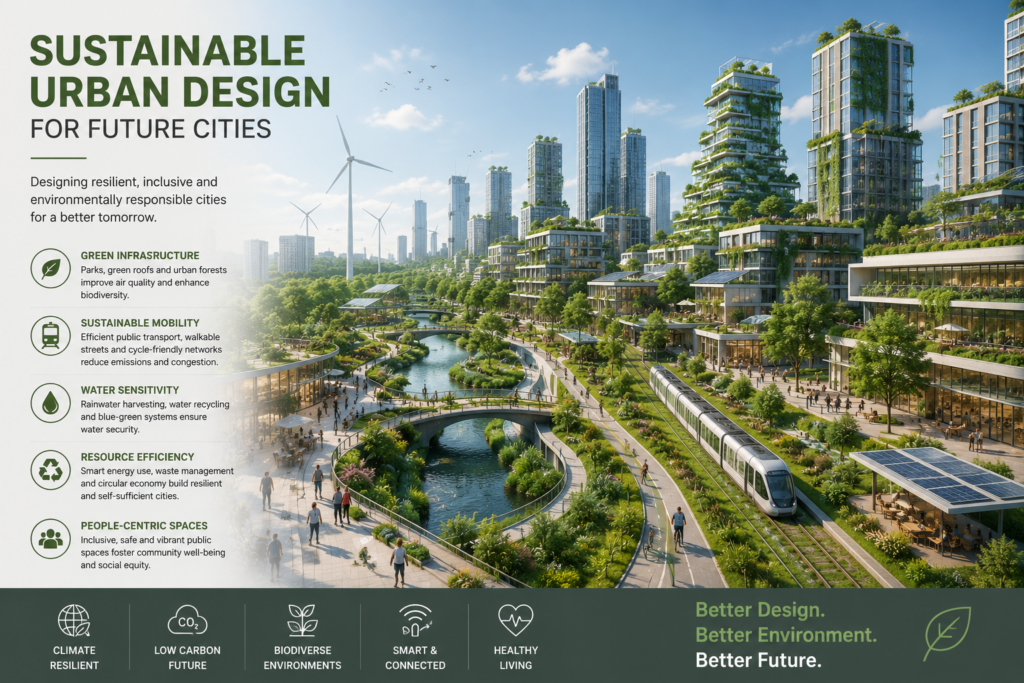
Integrating nature into urban environments is essential for creating resilient cities. Green infrastructure includes parks, green roofs, urban forests, rain gardens, and natural drainage systems that help manage environmental challenges.
Benefits of green infrastructure include:
- Improved air quality
- Reduced urban heat island effects
- Enhanced stormwater management
- Increased biodiversity
- Better mental and physical well-being for residents
By preserving and expanding natural ecosystems within cities, urban planners can create healthier and more sustainable environments.
Sustainable Transportation Networks
Efficient transportation systems are critical for future cities. Sustainable urban design emphasizes public transit, cycling infrastructure, pedestrian pathways, and shared mobility solutions.
Cities that invest in integrated transportation networks experience:
- Reduced traffic congestion
- Lower greenhouse gas emissions
- Improved accessibility
- Enhanced public health
- Greater economic productivity
Transit-oriented development encourages growth around transportation hubs, making sustainable mobility more convenient and attractive for residents.
Energy-Efficient Urban Development
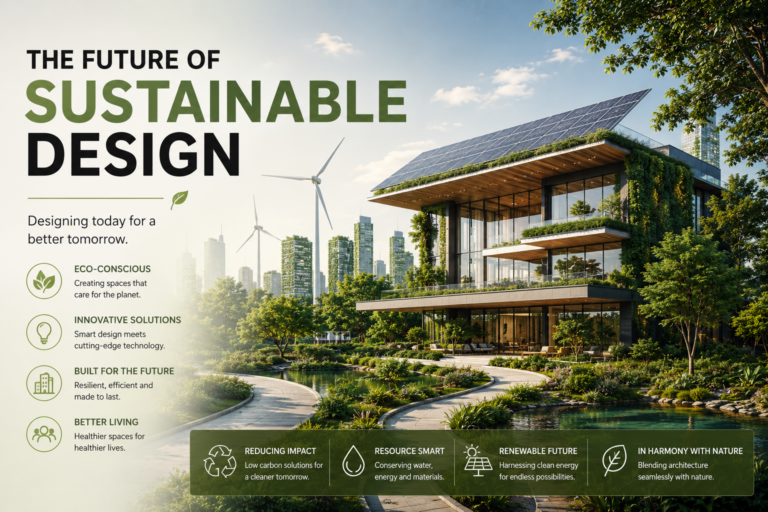
Future cities must reduce energy consumption while meeting growing demands. Sustainable urban design promotes energy-efficient buildings, renewable energy integration, and smart infrastructure systems.
Strategies include:
- Solar energy installations
- District cooling and heating systems
- Energy-efficient lighting
- Smart grids
- High-performance building envelopes
These measures contribute to lower operational costs and reduced environmental impact while improving urban resilience.
Water Conservation and Management
Water scarcity is becoming a major concern in many regions worldwide. Sustainable cities incorporate advanced water management systems that conserve resources and improve efficiency.
Effective solutions include:
- Rainwater harvesting
- Greywater recycling
- Permeable pavements
- Smart irrigation systems
- Water-efficient landscaping
These approaches help cities adapt to changing climate conditions while ensuring reliable access to water resources.
Smart Technologies for Sustainable Cities
Digital technologies are transforming urban environments. Smart city solutions use sensors, data analytics, and artificial intelligence to optimize city operations and improve service delivery.
Applications include:
- Intelligent traffic management
- Smart waste collection
- Energy monitoring systems
- Real-time environmental monitoring
- Efficient public service management
By leveraging technology, cities can make informed decisions that enhance sustainability and improve the daily lives of residents.
Social Inclusion and Community Well-Being
Sustainability extends beyond environmental concerns. Future cities must be designed to support diverse populations and ensure equitable access to opportunities and resources.
Inclusive urban design promotes:
- Affordable housing
- Accessible public spaces
- Community engagement
- Cultural preservation
- Safe and healthy neighborhoods
Creating inclusive communities strengthens social cohesion and contributes to long-term urban resilience.
Climate Resilience and Adaptation
Climate change presents significant risks to urban areas through rising temperatures, extreme weather events, and flooding. Sustainable urban design incorporates resilience strategies that help cities prepare for and adapt to these challenges.
Examples include:
- Flood-resistant infrastructure
- Coastal protection systems
- Heat mitigation measures
- Emergency response planning
- Resilient building design
Proactive planning ensures cities can withstand environmental pressures while maintaining essential services and infrastructure.
The Role of Architects and Urban Planners
Architects and urban planners play a crucial role in shaping future cities. Their ability to integrate sustainability principles into design decisions influences how communities grow and function.
Collaboration among governments, designers, engineers, businesses, and citizens is essential to creating urban environments that are efficient, adaptable, and environmentally responsible.
Conclusion
Sustainable urban design is the foundation of future-ready cities. By prioritizing walkability, green infrastructure, renewable energy, efficient transportation, and social inclusion, cities can become more resilient, livable, and environmentally sustainable.
As the world continues to urbanize, the need for thoughtful and innovative urban design has never been greater. Through sustainable planning and collaborative action, future cities can successfully balance economic growth, environmental stewardship, and human well-being, creating thriving communities for generations to come.
Urban design plays a crucial role in shaping our cities. At ArchB Studio, we focus on creating sustainable and inclusive urban spaces that foster community and enhance the quality of life for all residents.