Commercial Spaces: 8 Proven Biophilic Design Ideas for Modern Workplaces
Modern commercial spaces are evolving to prioritize employee well-being. By integrating natural light, indoor greenery, and organic textures, we create environments that inspire productivity and innovation. See how ArchB Studio is redefining the workplace.
Introduction
Table of Contents
Integrating Nature into Modern Commercial Spaces
As cities become denser and work environments increasingly digital, the connection between people and nature is becoming more important than ever. Modern commercial architecture is evolving beyond concrete, glass, and steel to create spaces that promote wellbeing, productivity, and sustainability.
Integrating nature into commercial environments is no longer simply a design trend. It has become a strategic approach to creating healthier, more engaging, and future-ready workplaces. Through biophilic design, landscape integration, and sustainable planning, architects are redefining how commercial spaces interact with the natural world.
The Rise of Biophilic Design
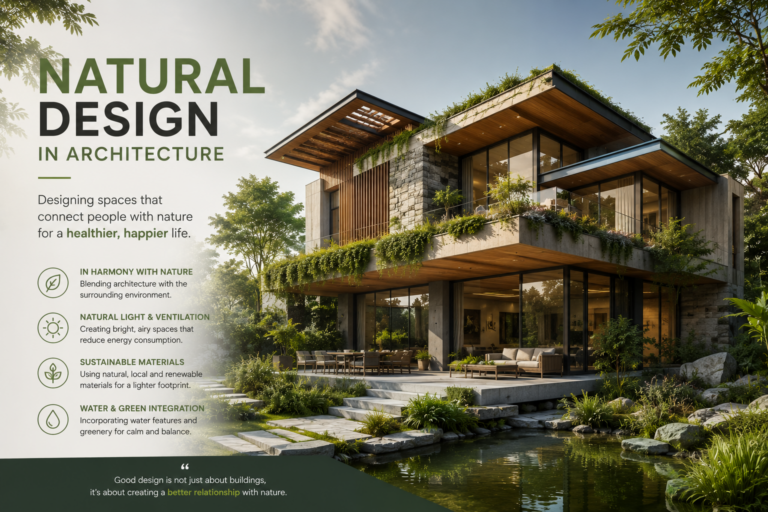
Biophilic design is based on the idea that humans have an innate connection to nature. Incorporating natural elements into built environments can positively influence physical health, mental well-being, and overall user experience.
In commercial spaces, biophilic design often includes:
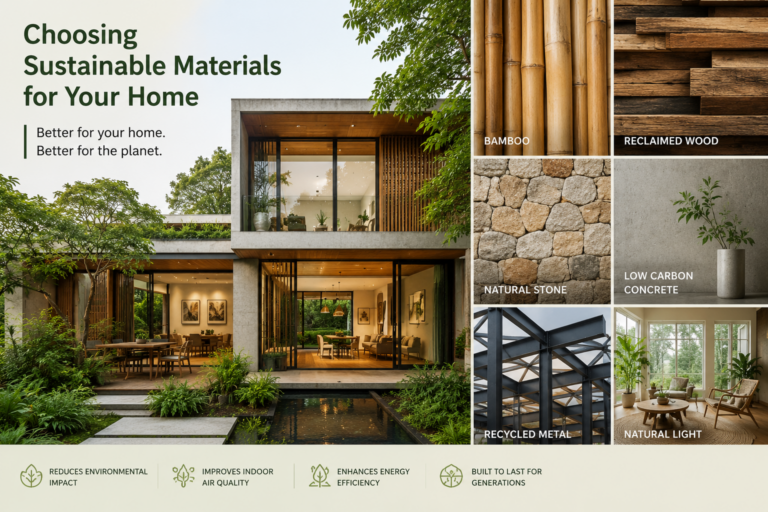
- Indoor planting systems
- Green walls
- Natural materials
- Daylight optimization
- Water features
- Outdoor workspaces
These elements help create environments that feel more comfortable, inviting, and human-centered.
Enhancing Employee Wellbeing
Modern employees spend a significant portion of their lives indoors. Commercial spaces that lack natural connections can contribute to stress, fatigue, and reduced engagement.
Nature-integrated workplaces can provide:
- Reduced stress levels
- Improved concentration
- Enhanced creativity
- Better air quality
- Greater job satisfaction
Studies consistently show that access to greenery and natural light contributes to healthier and happier work environments.
Maximizing Natural Daylight
Daylight remains one of the most powerful design tools in commercial architecture. Well-designed natural lighting improves occupant comfort while reducing dependence on artificial lighting.
Architectural strategies include:
- Large glazed facades
- Skylights
- Internal courtyards
- Light wells
- Open-plan layouts
Beyond energy savings, daylight creates dynamic and uplifting environments that change naturally throughout the day.
Green Spaces Within the Workplace
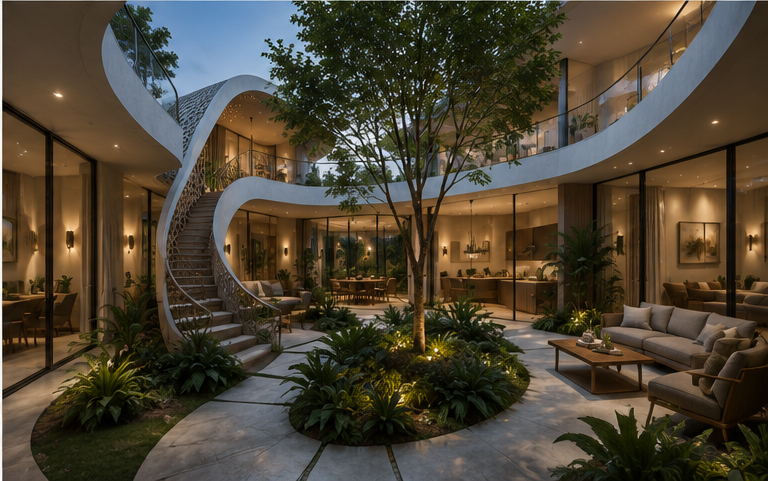
Nature does not have to remain outside the building. Many contemporary offices are incorporating landscape elements directly into the workplace experience.
Examples include:
- Indoor gardens
- Atrium courtyards
- Terrace landscapes
- Rooftop gardens
- Breakout zones surrounded by planting
These spaces provide opportunities for relaxation, collaboration, and informal interaction while enhancing the environment’s visual appeal.
Improving Indoor Air Quality
Plants contribute more than aesthetics. Carefully selected vegetation can improve indoor environmental quality by helping regulate humidity and enhancing air freshness.
Combined with modern ventilation systems, green design strategies contribute to healthier interior environments and improved occupant comfort.
A healthier workplace often translates into improved productivity and reduced absenteeism.
Sustainable Commercial Design
Integrating nature aligns closely with sustainable architecture. Green infrastructure can improve building performance while reducing environmental impact.
Common sustainable strategies include:
- Green roofs
- Rainwater harvesting
- Native landscaping
- Passive cooling systems
- Shaded outdoor spaces
- Stormwater management solutions
These approaches contribute to long-term environmental resilience while reducing operational costs.
Creating Stronger Brand Identity
Commercial spaces increasingly serve as physical representations of a company’s values. Businesses committed to sustainability and employee well-being often use nature-integrated design to reinforce their brand identity.
A thoughtfully designed workplace communicates:
- Environmental responsibility
- Innovation
- Employee-focused culture
- Long-term vision
Architecture becomes a powerful storytelling tool that reflects organizational values.
Nature Beyond the Office
The integration of nature extends beyond corporate workplaces into a variety of commercial environments.
Applications include:
- Hotels and resorts
- Shopping centers
- Healthcare facilities
- Educational campuses
- Restaurants and hospitality spaces
- Mixed-use developments
Across sectors, nature-driven design enhances user experience while creating memorable and distinctive environments.
The Future of Commercial Spaces Architecture
As urbanization continues, the demand for healthier and more sustainable commercial environments will only grow. Future developments are expected to blur the boundaries between architecture and landscape further.
Emerging trends include:
- Vertical forests
- Climate-responsive facades
- Integrated urban farming
- Biodiversity-focused developments
- Smart landscape management systems
The commercial buildings of tomorrow will function as living ecosystems rather than isolated structures.
Conclusion
Integrating nature into modern commercial spaces is about much more than aesthetics. It is a design philosophy that improves well-being, enhances productivity, supports sustainability, and creates more meaningful experiences for building users.
At ArchB Studio, we believe the future of commercial architecture lies in creating environments where people and nature coexist harmoniously. By thoughtfully integrating landscape, daylight, and biophilic principles into our designs, we create spaces that are not only functional and efficient but also inspiring and enduring.
In the modern workplace, nature is no longer an addition. It is an essential design element.