Natural Design in Architecture: 8 Proven Benefits for Sustainable Living
Introduction
Table of Contents
As modern lifestyles become increasingly urbanized and technology-driven, the connection between people and nature is often diminished. In response, architects and designers are embracing natural design principles to create spaces that foster well-being, sustainability, and harmony with the environment. Natural design, often associated with biophilic architecture, integrates elements of the natural world into the built environment, helping occupants feel more connected to nature while enhancing the functionality and aesthetics of a space.
From residential homes and commercial offices to educational institutions and healthcare facilities, natural design is transforming the way buildings are conceived and experienced.
What Is Natural Design in Architecture?
Natural design refers to the incorporation of natural elements, materials, patterns, and environmental features into architectural spaces. It goes beyond aesthetics by creating environments that support human health, comfort, and environmental responsibility.
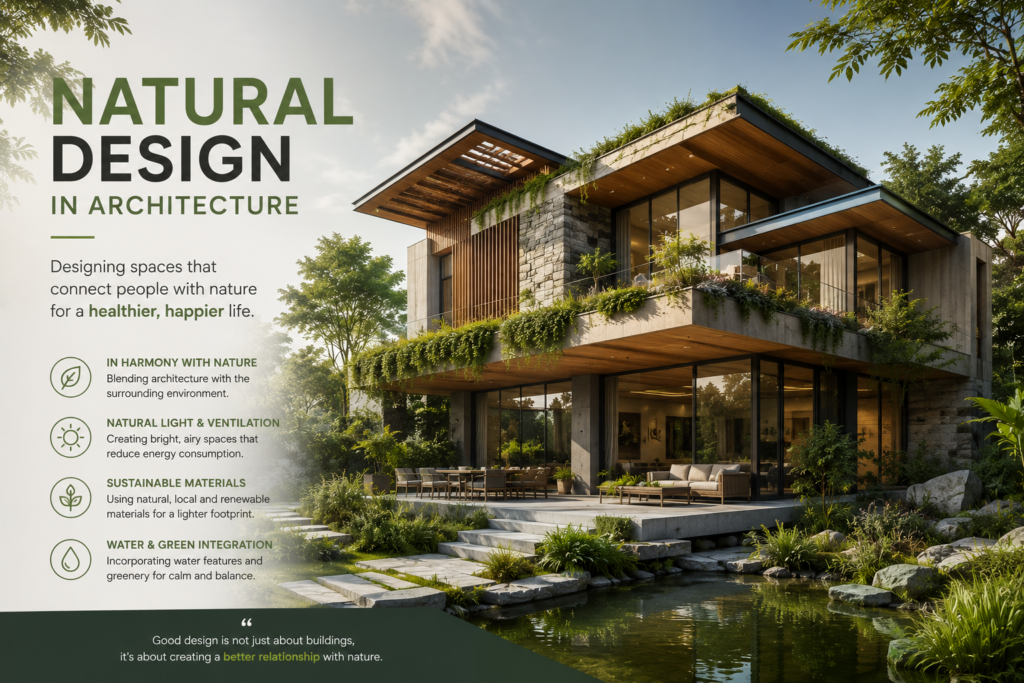
Common features of natural design include:
- Abundant natural light
- Indoor plants and green walls
- Natural ventilation
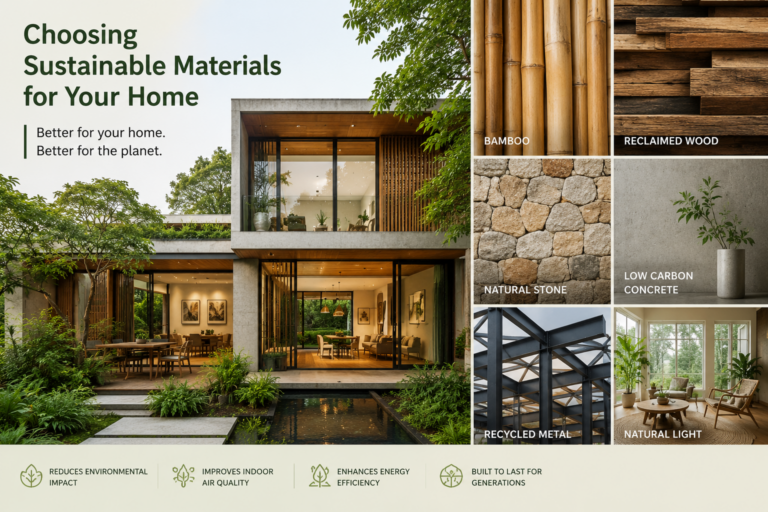
- Sustainable materials such as wood, stone, and bamboo
- Water features
- Views of landscapes and greenery
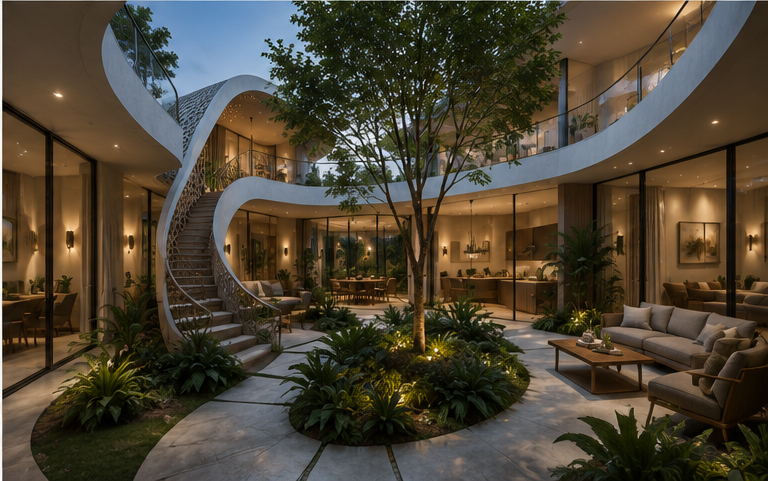
- Organic shapes and nature-inspired patterns
These elements work together to create spaces that feel more inviting, balanced, and connected to the natural environment.
Enhances Physical and Mental Well-Being
One of the most significant benefits of natural design is its positive impact on human health. Research has shown that exposure to natural environments can reduce stress, improve mood, and enhance overall well-being.
Architectural spaces that incorporate natural light, greenery, and outdoor views often help occupants experience:
- Reduced anxiety and stress levels
- Improved concentration and productivity
- Better sleep quality
- Enhanced emotional well-being
- Faster recovery in healthcare settings
By creating environments that support mental and physical health, natural design contributes to a higher quality of life.
Improves Indoor Air Quality
Natural design often emphasizes better ventilation and the integration of plant life within indoor spaces. These features can significantly improve indoor air quality by reducing pollutants and increasing oxygen levels.
Proper airflow and natural ventilation systems help:
- Minimize indoor contaminants
- Reduce humidity-related issues
- Improve occupant comfort
- Lower the risk of respiratory problems
A healthier indoor environment benefits both residential and commercial occupants alike.
Maximizes Natural Light
Daylighting is a key component of natural design. Large windows, skylights, glass facades, and thoughtfully planned building orientations allow natural sunlight to penetrate deeper into interior spaces.
The advantages of natural lighting include:
- Reduced reliance on artificial lighting
- Lower energy consumption
- Improved visual comfort
- Enhanced mood and productivity
- Better connection to outdoor environments
Natural light not only contributes to sustainability but also creates brighter and more welcoming interiors.
Supports Sustainable Development
Natural design aligns closely with sustainable architectural practices. By utilizing renewable materials and energy-efficient strategies, architects can reduce the environmental impact of buildings.
Sustainable design approaches often include:
- Locally sourced materials
- Renewable resources
- Passive cooling and heating systems
- Water-efficient landscaping
- Reduced energy consumption
These practices help minimize carbon emissions while promoting long-term environmental stewardship.
Strengthens the Connection Between People and Nature
Humans have an innate desire to connect with nature. Natural design addresses this need by integrating outdoor experiences into everyday environments.
Features such as courtyards, gardens, terraces, green roofs, and expansive landscape views encourage interaction with natural surroundings. This connection can increase satisfaction, comfort, and overall happiness among occupants.
As cities become denser, creating opportunities to engage with nature becomes increasingly important.
Enhances Aesthetic Appeal
Natural materials and organic forms bring warmth, texture, and authenticity to architectural spaces. Wood, stone, natural fibers, and greenery create timeless designs that remain visually appealing across changing trends.
Nature-inspired architecture often achieves a balance between elegance and simplicity, resulting in environments that feel both sophisticated and comfortable.
These design elements contribute to unique and memorable spaces that resonate with occupants and visitors alike.
Increases Productivity in Work Environments
Natural design has become particularly valuable in commercial and workplace settings. Employees who work in environments with access to daylight, plants, and outdoor views often demonstrate higher levels of productivity and job satisfaction.
Benefits in workplace environments include:
- Improved focus and concentration
- Reduced workplace stress
- Enhanced creativity
- Increased employee engagement
- Lower absenteeism rates
Organizations increasingly recognize natural design as an investment in employee well-being and performance.
Creates Resilient and Adaptive Spaces
Buildings designed with natural principles are often more resilient to environmental challenges. Passive design strategies such as natural ventilation, shading systems, and thermal mass help maintain comfort while reducing reliance on mechanical systems.
These adaptive features improve energy efficiency and allow buildings to respond more effectively to changing climate conditions.
The Future of Natural Design
As awareness of sustainability and wellness continues to grow, natural design is expected to play an increasingly important role in architecture. Future developments will likely combine biophilic principles with smart technologies, creating environments that are both technologically advanced and deeply connected to nature.
Architects and designers are continually exploring innovative ways to bring natural experiences into urban environments, ensuring that future buildings support both people and the planet.
Conclusion
Natural design in architecture offers numerous benefits that extend far beyond visual appeal. By integrating natural light, sustainable materials, greenery, and environmentally responsive design strategies, architects can create healthier, more efficient, and more inspiring spaces.
As the demand for sustainable and human-centered environments continues to rise, natural design will remain a powerful approach for shaping buildings that enhance well-being, strengthen our connection with nature, and contribute to a more sustainable future.